How Digital Video Game Delisting Policies Force Ecosystem Changes in DRM-Protected Digital Storefronts
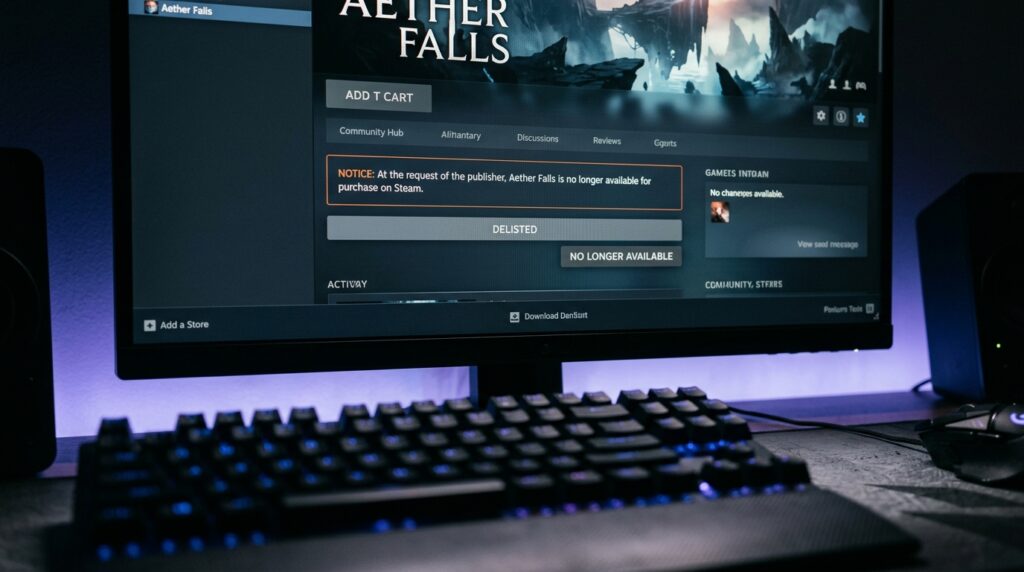
How Digital Video Game Delisting Policies Force Ecosystem Changes in DRM-Protected Digital Storefronts
Buying a game online is very much like buying a thing, but the transaction usually just gives you a license to access the software under terms set by the shop and publisher. Delisting, the removal of a title from sale, has spotlighted the difference between those two approaches. Sometimes a game disappears from a shop because a music license expired, a publisher shut down a studio, there’s a legal conflict, or the platform decided the product no longer fits its standards. Existing players may retain access, lose online functionality, or in rare circumstances lose the ability to download it. Digital rights management binds every purchase to an account and a central server, giving storefront operators considerable discretion over what remains playable. This article looks at why delisting happens, how DRM affects its impacts, and how shops, publishers, regulators and gamers are responding.
What is digital game delisting, and why does it occur?
Delisting is when a game is no longer accessible to purchase on a storefront. There are various reasons a game could be delisted, many of which have little to do with the game’s quality or popularity. Publishers might drop older games to make space for sequels, to consolidate their catalogs following a merger, or to minimize the expense of supporting old code on new operating systems. Legal disagreements over trademarks, ownership of intellectual property or conditions of a contract can prompt quick removal. Game developers might also be forced to take down games that break content guidelines, fail to meet compliance standards or have security issues. Sometimes developers go bankrupt or lose key workers and their items are left with nobody looking after the store site. In each situation, the choice is typically made by the rights holder or the platform, not the customer. So delisting is best seen as a normal business tool that has gradually turned into a customer issue that is noticeable.
The Ramifications of DRM and License-Based Ownership
Digital rights management is the technical layer that maintains the license model underpinning digital shops. When a player buys a game, the platform ties the purchase to an account and uses authentication checks to make sure the player is authorized to use the software. This structure protects publishers from illicit copying but it also means that access is reliant on continuing operation of servers, launchers and license databases. If a storefront changes its conditions or drops support for a title, the player has no independent copy to fall back on unless the game is engineered to run offline. In the terms of service, the purchase is often described as a revocable or restricted license, allowing the platforms legal leeway to change the availability. Most delisted games can still be played by their existing owners, but that’s a policy decision, not a right.
Common Triggers: License expiration and third-party content
Delistings usually occur because of third-party content embedded inside a game, not the game itself. Licensed soundtracks, branded automobiles, sports teams, film and television tie-ins, and character likenesses are typically negotiated for a set period of time or a specific number of sales. At the end of the contract, the publisher has to either extend the contract, add fresh content, or discontinue selling the product. Renewal fees can be higher than the revenue an older title still brings in, thus withdrawal is the cheapest alternative. Some publishers patch out the expiring content, but that requires technical effort and can change the experience that users originally paid for. Ownership chains are complex when rights are divided between different firms and areas, and discussions are thus more difficult. That means whole genres of games – racing, sports and licensed games, in example – will be more likely to be taken away than unique indie games.
Impact on Player Libraries, Downloads and Web Services
In practice, how much of the game relies on external services will determine what this means for existing owners . A single-player title that installs locally might run for years, while the store front may still require an account login to launch it. Features such as multiplayer modes, online matchmaking, or server-based progression can be lost once the publisher stops paying for the infrastructure. There is also a danger with reinstalling, as a title that no longer displays in search results may be tougher to find, and some retailers impose a limit on new downloads for specific removed titles. Players also lose access to patches, expansion content and community features such as reviews and discussion boards. The game may still show up in the library, but the experience can slowly rot away over time. Owners may be left wondering what they actually bought.
Changes to Storefront Policy and Communication
Public outcry has led to more defined regulations concerning deletions among storefront operators. Some now email existing owners or send library messages when a title is set for delisting, and some display countdown notices urging gamers to buy before the removal date. Many platforms have said that games that are delisted remain available for download for people who had owned them, and they post rules for developers explaining what is an appropriate basis for removal. Some have implemented grace periods, giving publishers time to work out licensing issues before a title disappears. Separating the idea of hiding a store page from canceling access is also something storefronts have started to do to help avoid panic when a listing changes. These techniques increase transparency, but they are voluntary and the quality of communication still varies greatly between platforms, regions and individual publishers.
Regulatory Responses to Consumer Protection Demands
The delisting has garnered the attention of consumer advocates and lawmakers who dispute whether the word buy really reflects a license that can be limited or ended. Some governments are considering whether stores must state before checkout that a purchase provides access, not ownership. Others are mulling measures that would demand advance warning, refunds or guarantyd download rights when a product is pulled or an online business shuttered. Consumer groups say digital purchases should be afforded identical safeguards to physical items, especially when the prices are the same as boxed copies. Industry reps say licensing deals are required since rights holders can’t guaranty third-party content will be available forever. This has led to a burgeoning legal dialog on realistic trade-offs between consumer expectation and commercial reality – such as clearer labeling, minimum support commitments and end of life obligations – being increasingly considered.
Preservation, Archiving Issues, and theEmergence of DRM-Free Options
Libraries, museums and volunteer communities have expressed worry that delisted games could become hard to study or experience. DRM, online authentication and region controls make it impossible to replicate, even for non-commercial archiving purposes, therefore preservation is challenging. Copyright law in many nations provides only limited exceptions and the ambiguity in the law inhibits action by institutions. Some preservationists are pushing for exclusions so that cultural heritage groups can retain playable copies after official support ceases. At the same time, there’s rising demand for stores and publishers that provide DRM-free downloads, so that gamers may keep the installers on their own disks and run them without having to go online. These alternatives have drawn faithful audiences who prize long-term access over convenience. Some mainstream platforms have noticed this and now allow developers to offer offline installations or drop authentication requirements once they stop supporting a game.
Strategic Moves for Publishers, Developers and Platform Operators
Pressure to delist is slowly affecting the way corporations design, license, and sell games. Publishers are negotiating for lengthier or everlasting rights for music and branded assets, and some are creating content so licensed pieces may be removed cleanly without harming the game. Developers are more likely to provide offline modes, community server tools, or end-of-life fixes that keep a title running after official servers shut down. Platform operators are balancing the reputational cost of sudden removals against the business benefits of more control over a platform’s catalog, and many are tightening restrictions on notice, compensation and library access. Meanwhile, players are paying more attention to license conditions, backing up installers where possible, and selecting stores that take long-term access seriously. Over time, these combined pressures will likely create a more open economy in which trust is a competitive advantage.